Diet Supplements for Weight Loss: A Practical Guide
Quick Answer: Do Diet Supplements for Weight Loss Actually Help?
Diet supplements for weight loss can help at the margins by supporting appetite, fullness, fibre or energy — but none replace a calorie deficit, and none are miracles. The winning move is to match one evidence-backed ingredient to your biggest obstacle, skip junk blends, and give it eight to twelve honest weeks alongside diet and movement.
- Match the tool to the goal. Appetite, metabolism or fibre — pick for your actual struggle.
- Skip the junk. Avoid proprietary blends and 25-ingredient "fairy dust" labels.
- Be patient. Expect support, not magic, and recheck honestly at 8–12 weeks.

Start with the one rule that saves you money
Before we talk about a single ingredient, internalise the rule that most of the industry would rather you forgot: no supplement replaces a calorie deficit. If you take nothing else from this page, take that. Weight change is driven by the balance of energy in and energy out, and a capsule cannot repeal that. What a good diet supplement can do is make holding a deficit less miserable — quieter hunger, steadier energy, more fullness from the same meal — so you actually stick with the plan long enough for it to work. That is a real and worthwhile job. It is just a supporting job.
Once you accept that framing, the whole category gets easier to navigate, because you stop shopping for miracles and start shopping for tools. And tools are chosen by the problem they solve, not by the loudness of the ad. So the first question is never "which supplement is best?" It is "what, specifically, keeps derailing me?" Answer that honestly and you have already done the hard part.
Match the ingredient to the goal
Most people's weight-loss struggle collapses into one of three obstacles, and each one has a different sensible tool. Diagnose yours before you buy anything.
If your problem is hunger and snacking, you want something that supports appetite and fullness. Soluble and prebiotic fibre is the workhorse here: it slows digestion, adds bulk, and helps you feel satisfied on fewer calories. Protein does similar work through a different route. This is the most common obstacle, and happily it is the one with the most grounded, unglamorous solutions. Our companion piece on the natural appetite suppressant options that actually work goes deeper on this specific lever.
If your problem is a sluggish daily routine, you may be reaching for metabolism support. Be careful here, because this is where the aisle gets most oversold. The honest version is not a "fat-melting" extract; it is ingredients with a plausible mechanism — including certain bacterial strains studied in metabolic health — used consistently over weeks. The stimulant version buys you a jittery energy bump and a crash, which is not the same as metabolism.
If your problem is a low-fibre diet generally, a prebiotic supplement does double duty: it supports fullness and feeds the gut bacteria increasingly linked to metabolic health. Most people eat far less fibre than the 25–38 grams a day guidelines suggest, so this is often the highest-value, lowest-drama fix on the list.

How to avoid the junk blends
Once you know which tool you want, the next skill is filtering out the products designed to look impressive rather than work. Three tells do most of the sorting for you.
First, the proprietary blend. If a label groups several ingredients under one combined weight instead of listing each dose, walk away. It is the industry's polite way of not telling you how little of the good stuff is in the bottle. A product confident in its formula shows the numbers. Second, the mega-list: twenty-five ingredients on a single small capsule is not comprehensiveness, it is decoration, because there is no room for a meaningful dose of anything. Fewer, well-dosed, clearly named ingredients almost always beat a long list of trace amounts. Third, the hero-extract hype — the exotic berry or root that supposedly "melts fat." If the entire pitch rests on one unfamiliar extract with a dramatic verb, the marketing is doing work the evidence can't.
None of this requires a nutrition degree. It requires turning the bottle around and asking one question: will this label tell me exactly what I am taking and how much? If the answer is no, the product has told you everything you need to know.
Want a formula that already passes this checklist?
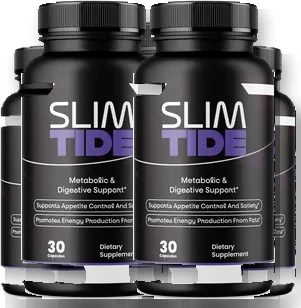
SlimTide is built the way this guide says to buy: no proprietary blend, no stimulants, disclosed prebiotic-fibre doses and individually named strains, made in a GMP facility, and backed by a money-back guarantee. If you would rather start from a product that already ticks the transparency boxes than audit the whole aisle yourself, you can check the current price and the full label on the official page.
Which ingredients are actually worth it?
Ranked by how well the job matches the evidence rather than by how exciting the marketing is.
| Ingredient | Job it does | Realistic expectation | Evidence strength |
|---|---|---|---|
| Prebiotic / soluble fibre | Fullness, appetite, feeds gut bacteria | Easier deficit; slow, steady support | Reasonable and improving |
| Protein (whey, etc.) | Satiety and muscle retention in a deficit | Fewer cravings; better body composition | Strong for satiety |
| Metabolism-linked strains | Bacterial support for metabolic health | Daily support over weeks, not days | Emerging; promising |
| Caffeine / green tea | Short-term energy and appetite blunting | Small, temporary; tolerance builds | Modest; stimulant caveats |
| Exotic "fat-burner" extracts | Marketed as dramatic fat loss | Usually underwhelming in practice | Weak or mixed |
Choose the supplement for the obstacle it removes, not the number it promises. A tool that keeps you in your deficit beats a miracle that keeps you shopping.
Three myths that cost people time and money
Myth one: "It's a supplement, so I can skip the diet." This is the belief the entire "supporting actor" framing is meant to kill. A supplement can improve your odds of sticking to a plan; it cannot be the plan. Take the pill and eat past your needs, and the pill loses every time.
Myth two: "Natural means safe." Natural describes where an ingredient came from, not what it does in your body. Stimulant fat-burners can raise heart rate and wreck sleep; some botanicals interact with medications; even helpful fibre causes bloating if you ramp it too fast. If you want the specifics on what to watch for, our overview of weight loss supplement side effects is worth a read before you start anything new.
Myth three: "If it doesn't work in two weeks, it's useless." The opposite failure. Fibre, strain-based and metabolic-support products are slow by design; two weeks is not a fair test. Judging them on a fortnight is how people quit right before anything could show, and it is the single most common reason a reasonable product gets a bad review.

Set a realistic timeline (and an exit)
Two dates make you a smarter buyer than any ingredient can. The first is the start date: begin the supplement at the same time you commit to the diet and movement changes, so it has something to support rather than substitute for. The second is the review date, eight to twelve weeks out, marked in your calendar before you begin. At that point you look honestly at what changed — weight, waistband, hunger, energy — and you decide. If it earned its place, keep going. If it did nothing, stop, and do not let a subscription quietly renew a product that failed its own audition. A money-back guarantee is what makes that exit painless, which is exactly why it belongs on your checklist.
This is also where honesty protects you from the sunk-cost trap. Plenty of people keep buying a supplement for a year because they bought it for a year, not because it works. A pre-committed review date breaks that loop. It turns a vague hope into an experiment with a clear stopping rule, and experiments are how you find the small number of tools actually worth your money.
Where SlimTide fits in the framework
Run SlimTide through everything above and it lands cleanly on the "fibre-first, appetite and metabolic support" square. It pairs disclosed prebiotic fibre — chicory root inulin and potato resistant starch — with a small blend of named bacterial strains including Akkermansia muciniphila, which keeps appearing in the metabolic-health literature. It is stimulant-free, so there is no jitter-and-crash to manage, and it is a once-daily capsule, which suits the "boring habit that sticks" model far better than a three-times-a-day stimulant stack.
On the junk-filter tests, it passes: no proprietary blend, no twenty-five-ingredient mega-list, no lone exotic extract carrying the whole pitch. On the timeline test, it is honest about being a slow, supportive product rather than a fortnight miracle, which is the correct expectation to have of anything in this space. It is not a fat-burner and it is not a drug; it is a support tool aimed at the appetite-and-fibre obstacle that trips up most dieters. If you want the reported real-world experience before deciding, our write-up on SlimTide reviews and whether it works is the natural next stop, and the broader best weight loss pills of 2026 comparison shows how it sits against the field.
Questions people actually ask
Do diet supplements really help with weight loss?
They can help at the margins, but they do not do the job on their own. No supplement replaces a calorie deficit; the best ones make a deficit easier to sustain by supporting appetite, fullness, fibre or energy. Think of a diet supplement as a helpful tool that improves your odds of sticking to the plan, not as the plan itself.
Which diet supplement ingredients are worth it?
Prioritise ingredients with reasonable evidence and a clear job: soluble and prebiotic fibre for fullness and appetite, protein for satiety and muscle retention, and metabolism-linked bacterial strains for daily support. Be sceptical of exotic 'fat-melting' extracts, unnamed proprietary blends and mega-lists of trace ingredients, which tend to promise the most and deliver the least.
Are diet supplements safe?
Most well-formulated, stimulant-free supplements are well tolerated, but 'natural' is not a guarantee of safety. Stimulant fat-burners can raise heart rate and disturb sleep, some ingredients interact with medications, and high-dose fibre can cause bloating if introduced too fast. Choose transparent, third-party-tested products and check with a clinician if you take medication or have a health condition.
How do I choose a diet supplement?
Start with your biggest obstacle — hunger, snacking, low fibre or energy dips — then pick a product whose main ingredient targets it. Read the label for disclosed doses instead of proprietary blends, favour GMP or third-party testing and a money-back guarantee, and commit to a fair eight-to-twelve-week trial alongside diet and movement before you judge it.
References
General information, not medical advice. These statements have not been evaluated by the Food and Drug Administration, and no dietary supplement is intended to diagnose, treat, cure or prevent any disease. Speak to a qualified healthcare professional before starting any supplement, especially if you take medication or have a health condition.
See the Official SlimTide Store
Affiliate link. Slimtaide Review Desk earns a commission on purchases made through it, at no extra cost to you. We are not the manufacturer.