Weight Loss Supplement Side Effects: What's Normal and What Isn't
Quick Answer: What Are the Most Common Weight Loss Supplement Side Effects?
Most weight loss supplement side effects come from two ingredient families: fiber, which can cause temporary bloating and gas when fluid is low, and stimulants, which can cause jitters, a fast heartbeat and poor sleep. Both are usually mild and fixable, and a stimulant-free formula removes the second list entirely.
- Fiber effects are digestive. Bloating and gas that ease within one to two weeks as your gut adapts.
- Stimulant effects are systemic. Jitteriness, raised heart rate and disrupted sleep from caffeine-type ingredients.
- Prevention is simple. Start low, hydrate well, take with food if sensitive, and stop for any severe reaction.
Before you swallow the first capsule, it is worth knowing exactly what your body might do in response — and the honest truth is that weight loss supplement side effects are usually mild, predictable and avoidable once you understand where they come from. The two biggest sources are simple. Fermentable fiber can cause bloating and gas if you are low on fluid, and stimulants can trigger jitters, a racing heart and broken sleep. Knowing which family a product belongs to tells you most of what you need to expect from it, long before you read a single testimonial.
That framing matters because the diet-pill aisle lumps two very different kinds of product under one banner. A caffeine-loaded thermogenic and a soluble-fiber appetite aid are both sold as “weight loss supplements,” yet they act on completely different systems and carry completely different risks. This guide separates the two, walks through what is genuinely common versus rare, and explains why a stimulant-free, fiber-based formula like SlimTide is designed to sidestep the harshest side effects rather than treat them as the price of results.
The real sources of weight loss supplement side effects
Almost every complaint you will read traces back to one of two mechanisms. The first is the gut. Fiber-based and prebiotic products deliberately add fermentable material to your digestive tract, and your resident bacteria respond by producing gas as they break it down. That is not a fault in the product — it is the mechanism working — but in the first week or two it can feel like bloating, rumbling or a change in stool pattern. The second is the nervous and cardiovascular system. Stimulant fat burners lean on caffeine, green tea extract at high doses, synephrine from bitter orange, yohimbine and similar compounds to raise heart rate and energy expenditure. Those same compounds are what make your hands shake and your sleep suffer.
Understanding this split is the single most useful thing you can do before buying anything. If a label is built around fiber and probiotics, expect digestive adjustment and nothing cardiovascular. If it is built around stimulants, expect the reverse. Very few honest products cause a long list of unrelated problems; most cause the specific, predictable effects that follow from their own ingredients.
Fiber side effects: bloating, gas, and the fluid rule
Soluble and prebiotic fibers such as inulin and resistant starch pass through the small intestine largely intact and arrive in the colon, where bacteria ferment them. That fermentation is exactly why these ingredients are useful — it feeds a healthier microbial balance and helps you feel full — but the by-product is gas. For most people this shows up as mild bloating or flatulence that peaks in the first several days and settles as the bacterial population rebalances to the new intake.
The biggest lever you control is water. Fiber draws fluid to move comfortably through the gut, and taken with too little water it can feel heavy and, paradoxically, backed up. Drinking a full glass with each dose is the difference between fiber that keeps you regular and fiber that makes you uncomfortable. If you are prone to constipation when you increase fiber, our detailed walkthrough on handling constipation when you first add a fiber supplement covers the water rule and the slow-ramp schedule that resolve most of it. Starting at a lower dose and building up over one to two weeks also gives your gut time to adapt instead of overwhelming it on day one.

Myth: “natural” means no side effects
This is the objection worth confronting head-on, because it is both common and wrong. “Natural,” “herbal” and “plant-based” describe where an ingredient comes from, not how it behaves in your body. Some of the harshest stimulants sold in fat burners — bitter orange, high-dose green tea catechins, yohimbine from tree bark — are entirely natural and can still raise heart rate or blood pressure. The regulator that tracks this, the U.S. Food and Drug Administration, has repeatedly warned about weight-loss products, some marketed as natural, that were adulterated with hidden pharmaceutical drugs. Natural is not a safety guarantee; it is a marketing word.
The useful question is never “is it natural?” but “what does each ingredient actually do, and at what dose?” A short, transparent label you can read in full beats a long proprietary blend hiding behind a trademarked name every time. That is the standard worth holding any product to, including this one.
A stimulant-free formula built to be gentle
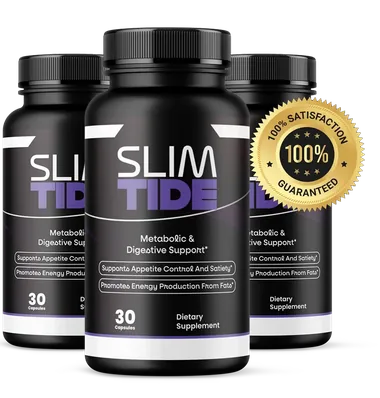
SlimTide is a once-daily capsule built around chicory root inulin and potato resistant starch with a three-strain probiotic blend — and no caffeine or other stimulants. That design means it works on appetite and gut balance rather than on your heart rate, so the jitters, palpitations and sleepless nights that dominate stimulant-burner reviews simply are not on its list. To read the full label and current pricing, check the official page rather than relying on secondhand summaries.
Stimulant side effects: jitters, heart rate and sleep
Where fiber effects are digestive and self-limiting, stimulant effects are systemic and can be more serious. Caffeine and its cousins raise heart rate and blood pressure, and in sensitive people they produce the classic cluster: shaky hands, a pounding or fluttering heartbeat, restlessness, anxiety and difficulty falling or staying asleep. Because many fat burners stack several stimulants together and many people are already drinking coffee on top, the effective dose can climb higher than anyone intends.
Sleep is the quietly important one. Poor sleep raises appetite-driving hormones and undercuts the very goal you took the supplement for, so a product that keeps you wired past midnight can work against your weight-loss effort even as it feels like it is doing something. Taking stimulants late in the day is the usual culprit, which is one reason timing matters so much with that category — a topic we cover in the guide to the best time to take diet pills. The cleanest way to avoid stimulant side effects, of course, is to choose a formula that contains no stimulants at all.
Common side effects at a glance
Use the table below as a shortlist to match against a product's ingredients, not as a diagnosis. Notice how the more concerning entries cluster in the stimulant column.
| Side effect | Usual source | How it feels | Practical fix |
|---|---|---|---|
| Bloating and gas | Fermentable fiber, prebiotics | Fullness, rumbling, flatulence, worse in week one | Hydrate, start low, build up slowly |
| Looser or firmer stools | Fiber, probiotics | A temporary change in bowel pattern | Increase fluid; ease into the full dose |
| Mild nausea | Any supplement on an empty stomach | Queasiness soon after the dose | Take with food |
| Jitters and shakiness | Caffeine and other stimulants | Restless, wired, trembling hands | Avoid stimulant formulas; lower total caffeine |
| Fast or pounding heartbeat | Stimulants, synephrine, yohimbine | Palpitations, chest awareness | Stop and consult a doctor |
| Disrupted sleep | Late-day stimulants | Trouble falling or staying asleep | No stimulants after early afternoon, or none at all |
| Headache | Dehydration, caffeine swings | Dull ache, often mid-afternoon | Drink water; keep caffeine steady |
How a stimulant-free design lowers the risk
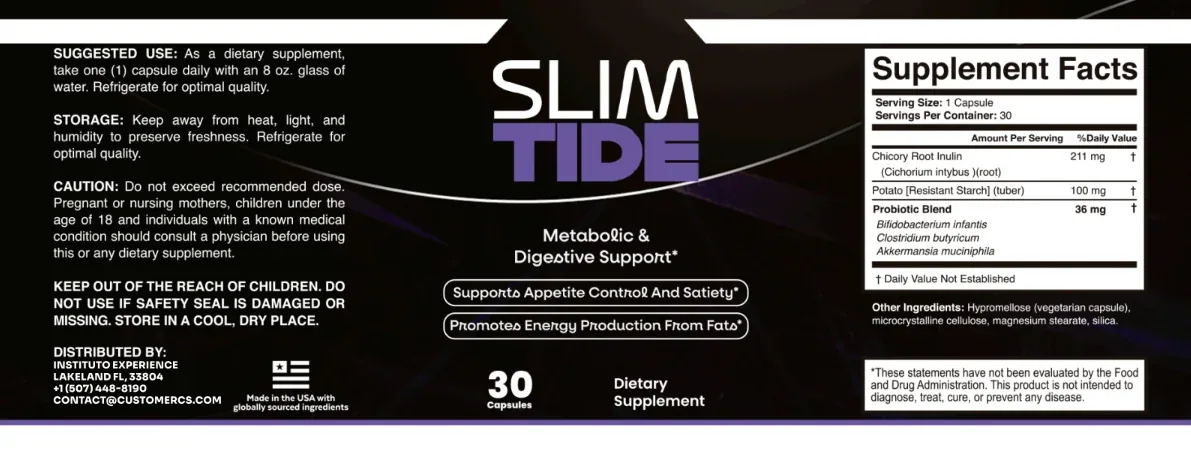
SlimTide's approach is to earn its results from fullness and gut balance rather than from a chemical push on your metabolism. Each capsule declares 211 mg of chicory root inulin and 100 mg of potato resistant starch alongside a 36 mg probiotic blend of Bifidobacterium infantis, Clostridium butyricum and Akkermansia muciniphila. There is no caffeine, no synephrine and no yohimbine, which is precisely why the entire cardiovascular-and-sleep column above does not apply to it. What remains possible is the gentle, temporary digestive adjustment any fiber can cause — and even that is modest, because the fiber dose is a fraction of what tolerance studies use to provoke symptoms.
This is also why a stimulant-free formula suits groups who should be most cautious with fat burners: people who are caffeine-sensitive, who already run high on coffee, who are watching their blood pressure, or who simply do not want to trade their sleep for a supplement. If you want the wider picture of how it fits alongside other options, our overview of a natural appetite suppressant that actually works puts the fiber-first approach in context.

When to stop and see a doctor
Mild, fading digestive effects do not need a doctor — they need water and patience. But some reactions are signals to stop immediately and seek advice rather than push through. Chest pain, a persistently racing or irregular heartbeat, fainting, severe or worsening abdominal pain, signs of an allergic reaction such as rash, swelling or difficulty breathing, or any symptom that is escalating rather than settling all warrant stopping and contacting a healthcare professional. This is doubly true if you are pregnant or nursing, taking prescription medication, or living with heart, kidney, liver or blood-pressure conditions.
It is worth saying plainly: no dietary supplement diagnoses, treats, cures or prevents any disease, and none is a substitute for medical care. A supplement is a small support around a foundation of food, movement and sleep — and the sensible move for any adverse reaction is always to stop and ask a professional, not to gamble on it clearing up.
How to minimize side effects from day one
Most discomfort is preventable with a few habits that cost nothing. Begin at the lowest suggested serving rather than the maximum, and give your body one to two weeks to adjust before deciding how it suits you. Drink a full glass of water with every dose — the most common reason a fiber product feels heavy is simply too little fluid. If your stomach is sensitive, take it with food. Keep the timing consistent day to day so your gut adapts to a predictable rhythm. And read the label in full so nothing surprises you: a product you understand is one you can use confidently.
Do all of that with a stimulant-free formula and the realistic worst case is a few days of mild bloating that fades. That is a very different proposition from the wired, restless, poor-sleep experience that sends so many people back to the reviews section of a caffeine-heavy burner.
Related reading
- The natural appetite suppressant that actually works, and how fiber creates fullness
- A plain-language guide to diet supplements for weight loss
- What to know about over-the-counter weight loss pills before you buy
Questions people actually ask
What are the side effects of weight loss supplements?
Most fall into two groups. Fiber-based products can cause temporary bloating, gas and looser or firmer stools while your gut adapts, especially if you are low on fluid. Stimulant-based fat burners can cause jitteriness, a faster or pounding heartbeat, raised blood pressure, anxiety and disrupted sleep. Milder issues such as mild nausea or headache also occur. A product that contains no stimulants removes the entire second list.
Do appetite suppressants cause jitters?
Only the stimulant kind. Jitters, a racing heart and trouble sleeping come from caffeine, synephrine, yohimbine and similar ingredients, not from the act of feeling full itself. Appetite support that works through soluble fiber or protein produces satiety without touching the nervous system, which is why a stimulant-free formula like SlimTide does not cause the shaky, wired feeling people associate with older diet pills.
How do I reduce supplement stomach upset?
Start with the lowest suggested dose, drink a full glass of water with every serving, and take it with food if your stomach is sensitive. Increase slowly over one to two weeks rather than jumping to a full dose on day one. Fiber needs fluid to move comfortably, so under-hydrating is the single most common reason people feel bloated on a new supplement.
Are stimulant-free supplements gentler?
Generally yes, because they cannot cause the cardiovascular and sleep side effects that stimulants can. That does not make them risk-free: fiber and prebiotics can still cause temporary gas, and anyone can react to any ingredient. But removing caffeine and other stimulants takes the most common and the most serious complaints off the table, which is the main reason stimulant-free formulas suit people who are caffeine-sensitive or watching their blood pressure.
References
- U.S. FDA — tainted weight-loss products and hidden drug ingredients
- NIH Office of Dietary Supplements — dietary supplements for weight loss, consumer fact sheet
- Mayo Clinic — over-the-counter weight-loss pills and what to expect
- NIDDK (NIH) — gas in the digestive tract: causes and management
- PubMed — randomised trials of gastrointestinal tolerance to inulin-type fibers
General information, not medical advice. These statements have not been evaluated by the Food and Drug Administration, and no dietary supplement is intended to diagnose, treat, cure or prevent any disease. Speak to a qualified healthcare professional before changing what you take.
See the Official SlimTide Store
Affiliate link. Slimtaide Review Desk earns a commission on purchases made through it, at no extra cost to you. We are not the manufacturer.