How to Curb Cravings Naturally: Tactics That Actually Last
Quick Answer: How Do You Curb Cravings Naturally?
You curb cravings naturally by removing the triggers that create them: eat 25 to 30 grams of protein at breakfast, add soluble fibre and water for lasting fullness, keep blood sugar steady, and protect your sleep so hunger hormones stay balanced. A fibre-based appetite-support supplement reinforces those habits — it does not replace them.
- Build the meal first. Protein and fibre at the start of the day blunt hunger for hours, so willpower is not the tool you lean on at 3 p.m.
- Drink before you snack. Thirst masquerades as hunger; a full glass of water settles a surprising share of urges on its own.
- Guard your sleep. One short night raises ghrelin and lowers leptin, and the next day's cravings are the bill.

A craving is not a character flaw. It is a chemical message — a blood-sugar spike, a hormonal dip, a stress signal doing exactly what it evolved to do — and the reassuring part is that messages can be edited. If you have spent months trying to white-knuckle your way past the mid-afternoon biscuit or the after-dinner sweet tooth, this guide takes a different route. The durable way to curb cravings naturally is to change the conditions that manufacture them, rather than out-muscling each urge after it has already arrived and won.
That distinction is the whole game. Fighting a craving in the moment is a coin toss you lose often enough to feel defeated. Arranging your day so the craving never fully forms is a system, and systems beat willpower because they keep working when you are tired, busy, bored or stressed — which is precisely when cravings strike. Below are the tactics with the strongest evidence behind them, plus an honest look at where a supplement helps and where it is oversold.
Why cravings are a signal, not a weakness
When you eat refined carbohydrate on its own — a pastry, a fizzy drink, white bread — blood glucose climbs quickly and insulin rises to bring it back down. In many people that correction overshoots, glucose dips below where it started, and the brain, which runs on glucose, reads that dip as an emergency and demands fast fuel. The food that fixes it quickest is more of the same refined carbohydrate, and the loop closes. You did not lack discipline at 4 p.m.; you set a blood-sugar trap at lunchtime and then walked into it on schedule.
Hormones layer on top of that. Ghrelin, made mostly in the stomach, rises before meals and tells you to eat. Leptin, made by fat tissue, signals fullness and energy sufficiency. Sleep, stress and the composition of your meals all push these two around. Understanding that cravings are downstream of measurable signals is liberating, because signals have inputs, and inputs are things you can change. The tactics that follow each target a specific input rather than asking you to simply want it less.
Tactic 1: Front-load 25–30 grams of protein at breakfast
If you change one thing, change breakfast. Protein is the most satiating of the three macronutrients gram for gram, and eating a substantial dose early sets the tone for the whole day's appetite. Studies comparing high-protein breakfasts with carbohydrate-heavy ones consistently find lower hunger, reduced snacking later in the day, and smaller evening intakes — the very window where most people's resolve collapses.
The practical target is 25 to 30 grams. That is roughly three or four eggs, a large bowl of Greek yoghurt with seeds, a scoop of protein in oats, or tofu scrambled with vegetables. A single slice of toast with jam will not do it; a piece of toast is a blood-sugar spike wearing a healthy costume. The reason breakfast punches above its weight is timing: blunting hunger at 8 a.m. means you arrive at every subsequent decision already ahead, rather than trying to claw back control once you are ravenous.
Tactic 2: Add soluble fibre and water for fullness you can eat
Fibre does two useful things at once. High-volume, high-fibre foods physically fill the stomach for very few calories, and soluble fibre specifically forms a gel in the gut that slows how quickly food leaves the stomach and how fast sugar enters the blood. Slower emptying means fullness that lasts; steadier glucose means fewer of the crashes that trigger the next craving. Oats, apples, pulses, chicory root and psyllium are among the richest sources.

Water belongs in the same breath as fibre because the two work together and because thirst is so easily misread as hunger. When a vague urge to eat appears out of nowhere, a glass of water is the cheapest possible test: wait ten minutes and a real share of those urges simply dissolve. Trials have found that drinking around 500 ml of water before a meal reduces intake at that meal and supports modest weight loss over time. None of this is a hunger off-switch, but as the first move before you open a cupboard, it is free, immediate and often enough.
Cravings rarely survive a ten-minute delay and a glass of water. The trick is to make the delay your default response, so the urge has to prove it is real before you act on it.
Tactic 3: Keep blood sugar steady so snack urges never spike
Everything above converges on one mechanism: the flatter your blood-sugar curve, the quieter your cravings. You flatten it by rarely eating naked carbohydrate. Pair carbohydrates with protein, fat or fibre — fruit with nuts, bread with eggs, rice with beans and vegetables — so the sugar enters your bloodstream slowly instead of arriving all at once. Resistant starch, found in cooked-and-cooled potatoes, rice and legumes, does the same job: it resists digestion in the small intestine and ferments gently further down, producing a smaller glucose response than the same food eaten hot.

The behavioural version of this rule is just as important: do not let yourself get genuinely, dangerously hungry. Skipped meals feel virtuous and then detonate in the evening, because extreme hunger overrides every good intention you had at breakfast. Three balanced meals, or three plus a planned protein-and-fibre snack, will out-perform an ambitious fast that ends in a kitchen raid nine times out of ten. Steady beats heroic.
See How SlimTide Supports Appetite — Official Site
Tactic 4: Protect your sleep — the hormone lever most people ignore
You can execute every food tactic perfectly and still be ambushed by cravings if you are under-slept, because sleep is where the appetite hormones reset. Short sleep raises ghrelin and lowers leptin, a combination that reliably increases hunger the following day — and the appetite it creates tilts specifically toward calorie-dense, sugary, high-carbohydrate food. Controlled studies in which healthy people are deliberately sleep-restricted show them eating more, choosing worse, and rating tempting foods as more appealing.
This is why the person who "has no willpower after a bad night" is describing physiology, not failure. If your cravings cluster on the days after late nights, the most powerful diet change available to you is not a food at all — it is a consistent bedtime. Aim for seven to nine hours, keep the wake time steady, and treat sleep as a craving intervention with better evidence behind it than most of the supplements marketed for the same purpose.
Where a fibre-based appetite supplement actually fits
Here is the honest framing, because it is where most marketing goes wrong. A supplement is a reinforcement for the four tactics above, not a replacement for them. If your diet is built on refined carbohydrate and your sleep is broken, no capsule will rescue it, and any product that implies otherwise is selling a fantasy. But if the foundations are in place, a well-formulated fibre supplement can add a small, consistent nudge in the right direction — more soluble and fermentable fibre reaching your gut every day, on the days your meals fall short.
SlimTide is built around that logic. Each daily capsule pairs chicory root inulin and potato resistant starch — the same soluble and resistant fibres discussed above — with a probiotic blend, so it slots into the fibre-and-fullness tactic rather than promising to override appetite by force. It will not out-argue a diet of pastries, and it is not an appetite drug. What it can do is make the fibre habit a little more consistent, which over weeks is exactly the sort of small, repeatable edge that separates a plan that sticks from one that fizzles. If you want the deeper comparison of ingredients and mechanisms, our guide to diet supplements for weight loss lays out what to look for and what to ignore.
Three myths that keep people stuck
Myth 1: "Cravings mean I lack willpower." They do not. As the sections above show, a craving is the predictable output of a blood-sugar dip, a hormone shift or a short night. Blaming your character keeps you focused on the moment of temptation — the one place you have least control — instead of the earlier decisions where you have most. Reframe every craving as data: it is telling you something about a meal you ate, or a night you did not sleep.
Myth 2: "I have to cut out my favourite foods entirely." Total bans tend to backfire, because forbidding a food raises its psychological pull and sets up an all-or-nothing cycle where one biscuit becomes the whole packet. The steadier approach is to build a diet so satisfying — protein, fibre, volume, enough calories — that treats become an occasional, deliberate choice rather than a compulsion. You are aiming for a shorter list of restrictions, not a longer one.
Myth 3: "A supplement will do the work for me." This is the most expensive myth, because it postpones the changes that actually matter. Fibre, protein, water and sleep are the engine; a supplement is, at best, a bit of extra fuel. Treat any appetite-support product as one small lever among several, judge it over weeks rather than days, and never let it become the reason you skip the basics. For a look at how timing interacts with any capsule you do take, see our note on the best time to take diet pills for appetite control.
Putting it together: a one-day anti-craving plan
None of this has to be complicated. A realistic day looks like this. Breakfast delivers 25 to 30 grams of protein — eggs, yoghurt or a protein-oat bowl. Lunch and dinner each build around a palm of protein, a fist or two of vegetables or fruit for fibre and volume, and a measured portion of slow carbohydrate paired with fat. Water goes with every meal and again whenever a craving appears, with a ten-minute delay attached. And the day ends with a consistent bedtime aimed at seven to nine hours. Do that most days, add a fibre supplement if it helps you stay consistent, and cravings shrink from a daily battle to an occasional visitor.
Reinforce the habit with a daily fibre capsule
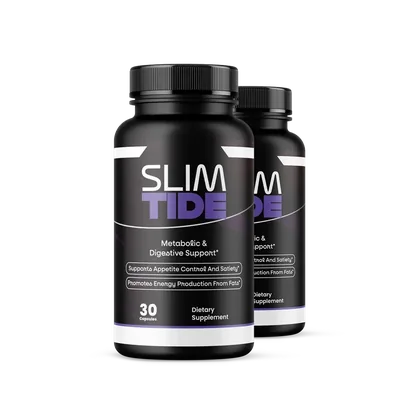
SlimTide is a single daily capsule combining chicory root inulin and potato resistant starch with a probiotic blend — an easy way to keep the fibre-and-fullness habit consistent on the days your meals fall short. For the full label, current pricing and the manufacturer's guarantee, check the official page rather than relying on anything here.
Questions people actually ask
How can I stop cravings naturally?
Change the conditions that create the craving rather than fighting it once it arrives. Front-load 25 to 30 grams of protein at breakfast, add soluble fibre and a full glass of water to meals for lasting fullness, avoid the naked-carb snacks that spike and crash your blood sugar, and guard your sleep so ghrelin and leptin stay balanced. Then, when a craving still shows up, delay ten minutes and drink water first — most urges fade if you do not act on them immediately.
What foods reduce hunger and cravings?
Protein-rich foods such as eggs, Greek yoghurt, fish, poultry, tofu and legumes are the most reliable, because protein is the most satiating macronutrient gram for gram. High-volume, high-fibre foods — vegetables, berries, oats, beans and other whole grains — fill the stomach for very few calories. Foods rich in soluble fibre, like oats, chicory, apples and pulses, form a gel that slows digestion and steadies blood sugar, which is what flattens the peaks and dips that drive snacking.
Does drinking water reduce appetite?
It helps more than most people expect. Thirst is easily mistaken for hunger, so a glass of water often settles a vague urge to eat. Drinking around 500 ml before a meal has been shown in trials to reduce how much people eat at that meal and to support modest weight loss over time. Water is not a hunger switch, but as a first move before you reach for a snack it is free, immediate and frequently enough.
Can supplements help with sugar cravings?
A fibre-based supplement can support the habits that reduce sugar cravings, mainly by adding fermentable and soluble fibre that slows digestion and helps blunt blood-sugar swings. It is a reinforcement, not a substitute: no supplement overrides a diet built on refined carbohydrates and broken sleep. Treat any appetite-support formula as one small lever alongside protein, fibre, water and rest, and judge it over weeks rather than days.
Related reading
- A natural appetite suppressant that actually works: what the evidence supports
- Diet supplements for weight loss: an honest buyer's guide
- The best time to take diet pills for steady appetite control
References
- Harvard T.H. Chan School of Public Health — carbohydrates and blood sugar
- PubMed — randomised trials of high-protein breakfast on appetite and satiety
- PubMed — water pre-load, energy intake and weight loss
- PubMed — sleep restriction, ghrelin, leptin and appetite
- NIDDK (NIH) — weight management guidance
General information, not medical advice. These statements have not been evaluated by the Food and Drug Administration, and no dietary supplement is intended to diagnose, treat, cure or prevent any disease. Speak to a qualified healthcare professional before changing what you take.
See the Official SlimTide Store
Affiliate link. Slimtaide Review Desk earns a commission on purchases made through it, at no extra cost to you. We are not the manufacturer.